
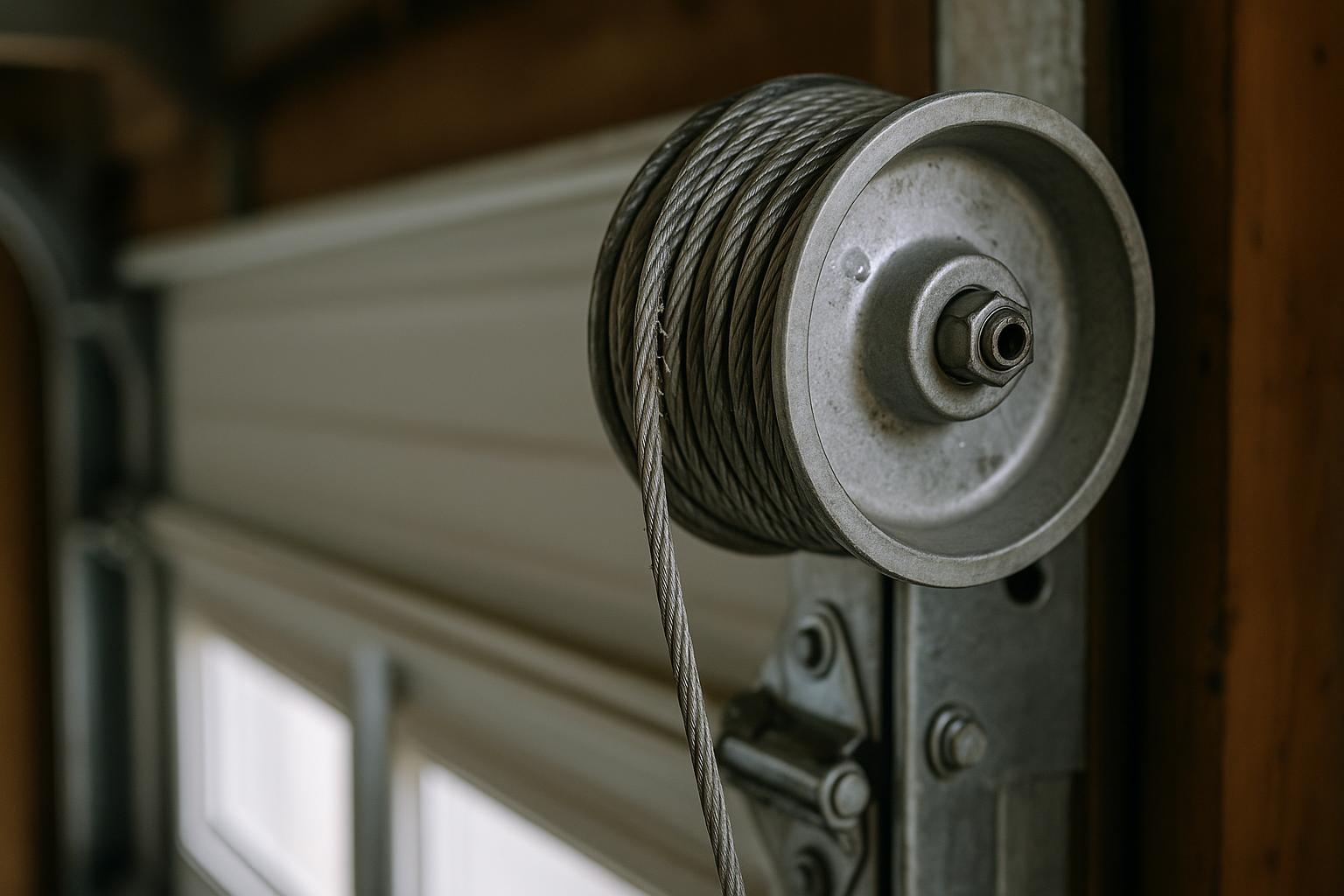
Your Garage Door Cables Do More Than You Think
Most homeowners in Pataskala don't think much about their garage door cables — until something goes wrong. While springs tend to get most of the attention, cables are equally critical to the safe operation of your garage door. They work alongside the springs to lift and lower the door in a controlled, balanced way. When a cable frays or snaps, the results can be dramatic: a door that slams down unexpectedly, gets stuck at an angle, or refuses to move at all.
The good news is that cable failure rarely happens without warning. If you know what to look for, you can catch the early signs and schedule a repair before you're dealing with a bigger — and more expensive — problem.
What Do Garage Door Cables Actually Do?
Your garage door system relies on two main types of cables, depending on the spring setup:
- Torsion spring cables: These run from the bottom bracket on each side of the door up to the cable drum at the top. As the torsion spring unwinds, it turns the drums, which wind the cables and lift the door.
- Extension spring cables: In systems with extension springs (mounted along the horizontal tracks), safety cables run through the center of each spring. Their job is to contain the spring if it breaks, preventing it from becoming a dangerous projectile.
In both setups, the lifting cables bear the full weight of the door every time it opens and closes. For a standard two-car garage door that can weigh 200 pounds or more, that's a lot of stress over thousands of cycles.
Warning Signs That a Cable Is Failing
Here are the most common indicators that one or both of your garage door cables need attention:
1. Visible Fraying or Unraveling
This is the most obvious sign. Garage door cables are made of braided steel wire. Over time, individual strands can break and stick out from the cable like tiny metal splinters. If you see any fraying at all, the cable's structural integrity is already compromised. Don't wait for it to snap — call a professional.
2. The Door Hangs Crooked
If your garage door looks uneven when it's partially open — one side higher than the other — there's a good chance one cable has loosened, stretched, or partially failed. This puts uneven stress on the tracks, rollers, and opener, which can lead to cascading damage if it's not corrected quickly.
3. The Door Drops Faster Than Usual
A healthy garage door lowers smoothly and at a controlled speed. If you notice the door dropping faster than normal or making a slight jerking motion as it descends, a cable may be slipping on the drum or losing tension. This is especially dangerous because a sudden cable failure at this point could cause the door to free-fall.
4. Loose Cable Hanging Near the Door
Sometimes a cable comes off the drum entirely and you'll see it hanging loosely along the side of the door. This usually happens when a spring breaks first, causing the cable to unwind and go slack. Either way, the door should not be operated until the cable is properly re-wound and inspected.
5. Grinding or Scraping Noises
While unusual sounds can come from many parts of a garage door system, a frayed cable dragging against the track or drum can produce a distinctive grinding or scraping noise. If you hear something new and metallic, it's worth a closer look.
6. Rust or Corrosion
Here in central Ohio, our garages aren't climate-controlled, and cables are exposed to moisture, temperature swings, and road salt residue that gets tracked in during winter. Rust weakens the steel strands and accelerates wear. If your cables look discolored or rough to the touch, they may be corroding from the inside out.
Why You Shouldn't Try to Replace Cables Yourself
We understand the DIY spirit — plenty of Pataskala homeowners are handy and capable. But garage door cables are under extreme tension, and the components they connect to (especially torsion springs and bottom brackets) can cause serious injury if handled incorrectly. A cable that snaps under tension can whip with enough force to cut skin or break bones.
Professional technicians have the tools, training, and experience to safely release tension, remove the old cables, and install new ones without putting anyone at risk. It's one of those jobs where the cost of professional service is well worth the peace of mind.
How Long Do Garage Door Cables Last?
Under normal conditions, garage door cables can last anywhere from 8 to 15 years. However, several factors can shorten that lifespan:
- Frequency of use: A household that opens and closes the garage door six or more times a day will wear cables faster than one that uses it twice a day.
- Lack of maintenance: Cables that are never inspected or lubricated are more prone to corrosion and premature wear.
- Spring condition: A failing spring puts extra stress on cables. When we replace springs for customers in the Pataskala area, we always inspect the cables at the same time because the two components are so closely linked.
- Environmental exposure: Garages that aren't sealed well allow more moisture in, which accelerates rust.
What to Do If You Suspect a Cable Problem
If you notice any of the warning signs above, here's what we recommend:
- Stop using the door. If the door still moves, avoid operating it until a technician can inspect it. Running a door with a damaged cable can cause further damage to the tracks, drums, or opener.
- Disconnect the opener. Pull the emergency release handle (the red cord hanging from the opener rail) to disconnect the door from the automatic opener. This prevents someone from accidentally activating it with a remote.
- Don't try to manually force the door. If the door is stuck in a partially open position, leave it. Forcing it can cause a sudden release of tension.
- Call a professional. A trained technician can safely assess the situation, replace the cable, and inspect the rest of the system for related issues.
Preventive Maintenance Makes a Difference
The best way to avoid an unexpected cable failure is regular maintenance. We recommend having your entire garage door system inspected at least once a year. During a maintenance visit, a technician will check the cables for fraying, proper tension, and signs of corrosion. They'll also inspect the drums, springs, rollers, and hardware — catching small problems before they become urgent repairs.
For homeowners in Pataskala, Reynoldsburg, Etna, and the surrounding communities, Pataskala Door & Opener offers thorough maintenance services designed to extend the life of your garage door system and keep it operating safely year-round.
Don't Wait for the Snap
A broken garage door cable is more than an inconvenience — it's a safety hazard. If you've noticed any of the warning signs we've covered, or if it's simply been a while since your system was inspected, give us a call. At Pataskala Door & Opener, we'll give you an honest assessment and get your door back to safe, reliable operation as quickly as possible.